

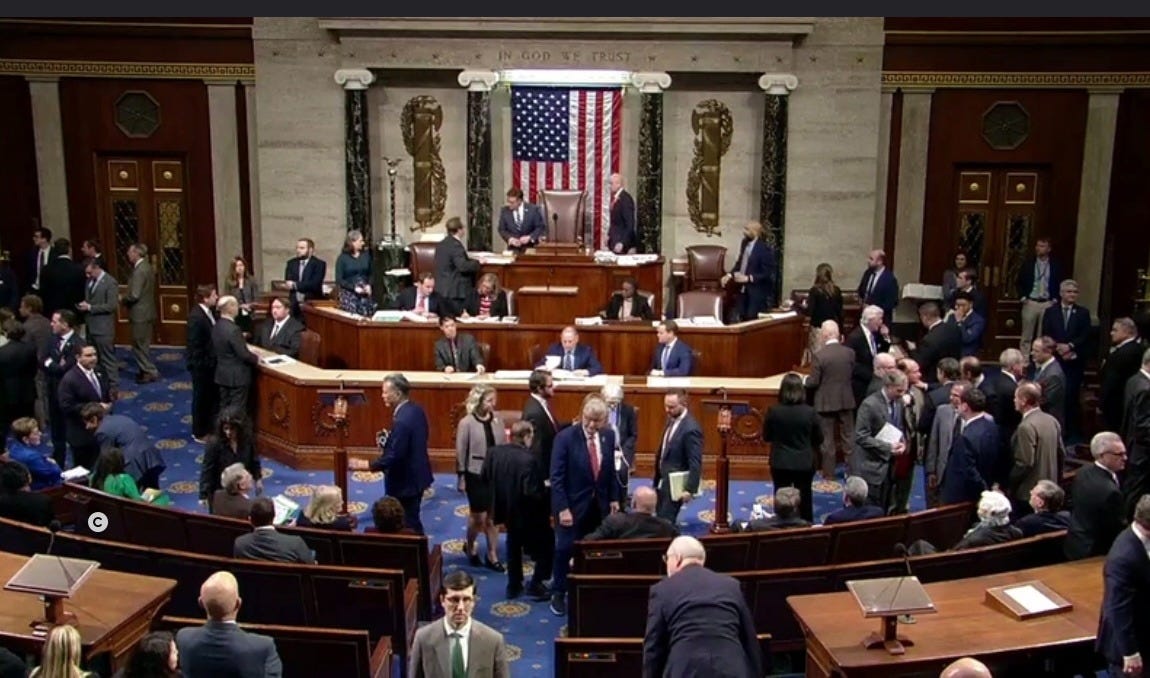
A deep dive into US crypto regulation after 2025’s policy reset, exploring stablecoin laws, market structure bills, SEC and CFTC shifts, banking access, and what 2026 will test for Web3 builders, investors, and institutions.
What happens when crypto finally gets rules but the real test hasn’t started yet?
After years of uncertainty, enforcement battles, and regulatory whiplash, the US crypto industry entered 2026 with something it hasn’t had before: direction.
Not perfect clarity. Not full harmony. But momentum.
The close of 2025 marked a historic pivot. Washington moved away from regulation-by-enforcement and toward structured oversight, powered by a White House policy reset, the first-ever federal stablecoin law, and coordinated agency programs designed to pull crypto activity into the regulated perimeter.
This blog post breaks down what actually changed, what will be tested in 2026, and what builders, investors, institutions, and founders should do now to stay ahead.
You’ll walk away understanding:
Where US crypto rules are finally landing
Why 2026 is more important than 2025
How real licensing, supervision, and liability will stress-test the system
The Big Picture: A New US Crypto Rulebook Is Taking Shape
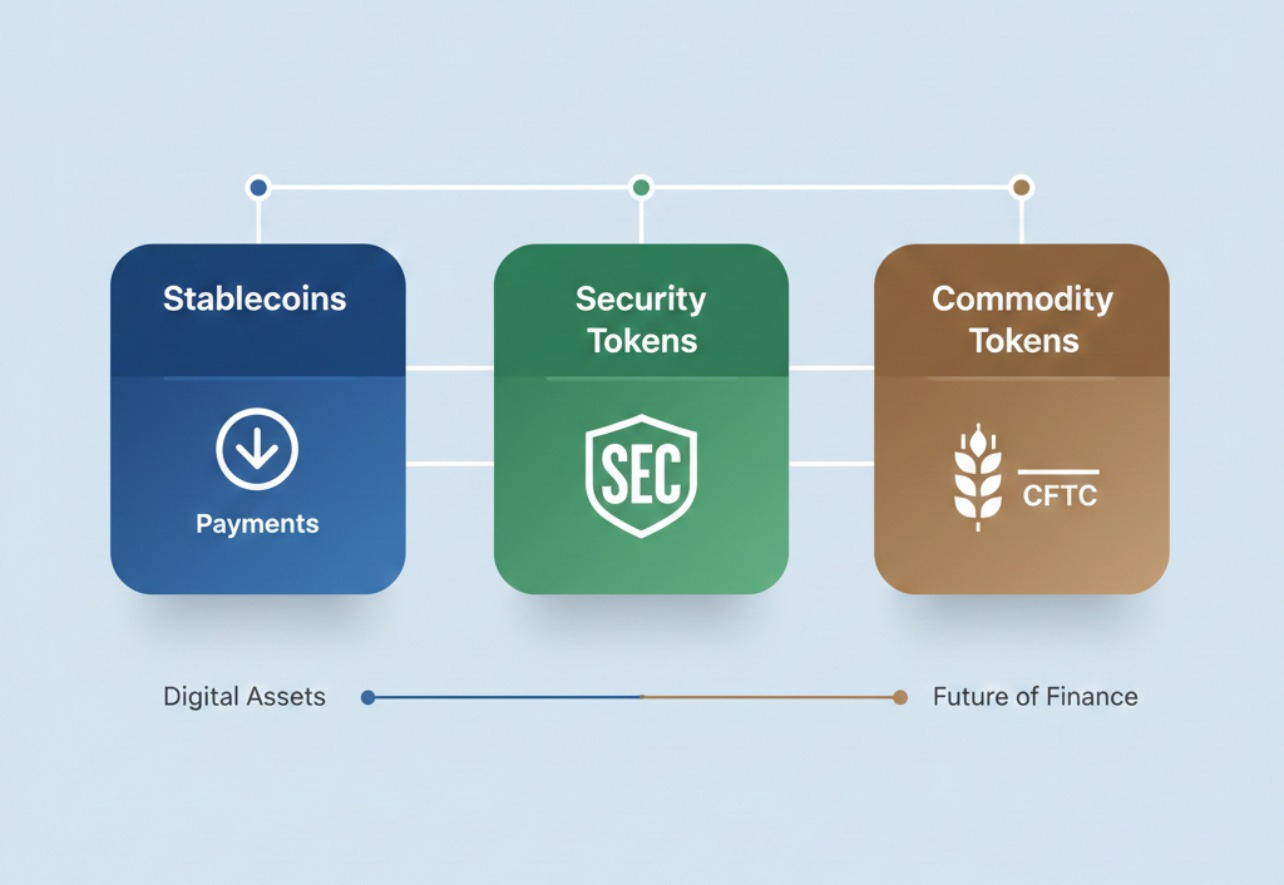
By the end of 2025, US regulators began aligning around a three-part framework:
Stablecoins → Treated as payment infrastructure
Certain tokens → Regulated as securities
Most remaining crypto assets → Likely treated as commodities
This is a massive shift from the previous “everything might be a security” posture.
But here’s the catch 👇
Frameworks are easy. Enforcement, licensing, and supervision are hard.
And that’s exactly what 2026 will test.
1. Market Structure Legislation: The Clock Is Ticking
Window to Watch: January – June 2026
The Digital Asset Market Clarity Act, passed by the House in July 2025, was the most comprehensive crypto market structure bill the US has ever seen.
But it stalled in the Senate.
Why it matters
Without this bill:
Exchanges lack clear registration paths
Broker-dealers face overlapping obligations
Developers operate under legal ambiguity
What’s happening next
When Congress reconvenes in January 2026, momentum resumes.
Key milestones to track:
January 2026: Second session of the 119th Congress begins
Q1 2026: Senate committee markups or revised drafts expected
Before August 2026 recess: Final realistic window for a Senate vote
If nothing passes by mid-2026, comprehensive reform likely slips to 2027, right into midterm election turbulence.
Real-world example
A US-based crypto exchange operating both spot bitcoin trading and tokenized securities currently juggles:
State money transmitter licenses
SEC scrutiny
CFTC uncertainty
A finalized market structure law would determine who regulates what—and how, unlocking nationwide scale.
Actionable takeaway
If you’re a founder or operator:
Map which assets you list could fall under securities vs commodities
Prepare compliance budgets for dual oversight scenarios
Engage legal counsel early 2026 drafts will move fast
2. Stablecoin Rules Under the GENIUS Act
Statutory Deadline: July 2026
The GENIUS Act, signed into law in July 2025, created the first federal framework for payment stablecoins.
This was a watershed moment.
What the law does
Assigns implementation to the US Treasury and banking regulators
Establishes guardrails around reserves, disclosures, and issuers
Sets a one-year clock for final rules
What happens in 2026
By July 2026, Treasury must finalize rules covering:
Reserve requirements (cash, T-bills, liquidity standards)
Disclosure obligations
Treatment of foreign-issued stablecoins
Issuer eligibility and enforcement triggers
Expect proposed rules in Q1 or Q2 2026, followed by a public comment period.
Real-world example
A US fintech issuing a dollar-backed stablecoin for cross-border payments will now need to:
Hold verified reserves
Publish regular attestations
Meet issuer licensing standards
Integrate AML and compliance systems
This pushes stablecoins closer to regulated payment rails, not shadow banking.
Adoption projection
Industry analysts expect regulated stablecoin transaction volume to exceed $5 trillion annually by 2027, driven by:
Remittances
Merchant settlement
Tokenized treasury products
Actionable takeaway
If you build with stablecoins:
Audit your reserve model now
Track Treasury rule proposals closely
Prepare for banking-style examinations
3. SEC Rulemaking and Token Classification
Key Moments: Q1 and Q2 2026
Under new Chair Paul Atkins, the SEC spent 2025 rebuilding trust—quietly.
Instead of lawsuits, the agency focused on:
Task forces
Interpretive guidance
No-action letters
Targeted exemptions
2026 is where theory must become durable rules.
Dates to watch
Early Q1: Proposed rule or guidance on token classification
Spring 2026: More no-action letters and pilot programs
Mid-2026: Possible expansion of crypto ETF listings
A full five-commissioner bench expected sometime in 2026 could accelerate formal votes.
Real-world example
A startup issuing a governance token for a decentralized protocol may finally receive:
Clear criteria for when a token transitions from security → commodity
A safe harbor window for decentralization
Custody clarity for institutional holders
This reduces legal risk without sacrificing investor protection.
Actionable takeaway
For token issuers:
Document decentralization milestones
Separate governance from profit expectations
Engage early with SEC pilot programs
4. CFTC Pilots and the Fight for Spot Market Authority
Live Through 2026
The CFTC entered 2026 with momentum, launching digital asset pilot programs in late 2025.
These pilots allow:
Bitcoin, ether, and stablecoins
To be used as collateral in regulated derivatives markets
Why this matters
It signals institutional confidence and positions the CFTC as the natural home for non-security crypto assets.
What to watch
Ongoing evaluation of collateral pilots
Mid-2026: Expansion or formal rule adoption
Late 2026: Congressional decision on CFTC spot market authority
Leadership counts. Chair Michael Selig’s first full year will define the agency’s ambition.
Real-world example
A hedge fund using bitcoin as collateral for futures trading now operates inside a regulated framework, reducing counterparty risk and unlocking capital efficiency.
Actionable takeaway
If you trade or build derivatives:
Explore CFTC-approved venues
Monitor pilot expansions
Prepare for stricter reporting standards
5. Banking Access and Federal Crypto Charters
Where Regulation Meets Balance Sheets
In December 2025, the OCC issued guidance allowing national banks to engage in:
Crypto custody
Stablecoin activities
Certain settlement services
No prior supervisory approval required.
This is huge.

What to watch in 2026
Q1 2026: First bank-led crypto custody launches
Throughout 2026: Supervisory exams testing real risk treatment
Late 2026: Applications for new trust banks or digital asset charters
Real-world example (step-by-step)
A regional bank integrating crypto custody:
Launches bitcoin and ether custody for HNW clients
Partners with a qualified custodian
Undergoes OCC examination
Expands into stablecoin settlement
This is how crypto enters TradFi; slowly, then all at once.
Actionable takeaway
If you’re a crypto firm:
Build bank-grade compliance
Prepare for audits
Design products that fit existing balance sheet logic
Key Takeaways
Benefits
Regulatory clarity unlocks institutional capital
Stablecoins gain legitimacy as payment infrastructure
Banks re-enter crypto markets
Risks
Delayed legislation could stall innovation
Compliance costs may squeeze smaller players
Fragmented oversight remains a threat
Real-world applications
Tokenized treasuries
Regulated stablecoin payments
Institutional crypto custody
Future Outlook: What Comes After 2026?
By the end of 2026, the US crypto market will likely fall into two camps:
Compliant, scalable, institution-ready platforms
Offshore or marginal players unable to adapt
Expect:
Faster consolidation
Increased M&A
Stronger US leadership in regulated Web3
The winners won’t be the loudest but the most prepared.
Conclusion: The Reset Is Over, Now Comes the Test
2025 reset the tone.
2026 will test the system.
Rules will meet reality.
Frameworks will face friction.
And only serious builders will survive the transition.
If you’re in crypto today, this is your moment to decide:
Will you build inside the system or around it?
Will you wait for clarity or prepare for it?
👉 Founders: Start compliance planning now
👉 Investors: Reassess regulatory risk in your portfolio
👉 Builders: Design with supervision in mind
The next wave of crypto adoption won’t come from chaos, it will come from clarity.
Are you ready for the 2026 tests ahead?
Subscribe to our weekly newsletter Because in crypto, the early informed don’t just adapt, they lead.
join our WhatsApp channel to continue the conversation. For daily updates, follow us on all socials; Instagram, Twitter, Telegram, and TikTok.
This article is for educational purposes only and should not be considered financial advice. Always conduct your own research (DYOR) before making any investment decisions.